Why Your School's PD Isn't Working
Why professional development fails without Monday-morning implementation, and how to build PD that actually changes classroom practice.
 PCS Consultant5 min read
The coffee was cold. The lights were buzzing. The presenter was on slide 47 of what appeared to be a 60-slide deck about "Culturally Responsive Teaching Frameworks."
It was 4:15 PM on a Tuesday. Every teacher in that high school library looked like they'd rather be anywhere else.
The presenter - a consultant from a firm we'd paid $2,000 for a three-hour session - clicked to another slide filled with academic language: "Leveraging asset-based pedagogical approaches to center student voice in co-constructed learning environments."
A veteran English teacher sitting next to me whispered, "What does any of this mean for my 7:45 AM class tomorrow?"
The presenter didn't hear her. Or maybe she did, and didn't have an answer.
This is why professional development fails. Not because the theory is wrong. But because the gap between Tuesday at 4 PM and Wednesday at 7:45 AM is a chasm, nobody's building a bridge across.
The Trap We Keep Falling Into
According to a 2025 study by the Learning Policy Institute, a lack of implementation fidelity is the primary reason teacher professional development doesn't translate into classroom change. Teachers attend sessions, nod along, and return to their classrooms doing precisely what they did before.
The statistics are brutal:
15 of 17 schools in a Chilean teacher development program dropped out within 2-3 months because the training didn't align with their actual teaching contexts.
Over 60% of Title II Part A funds go toward short-term workshops instead of sustainable strategies.
68% of urban teachers report they haven't received meaningful support for implementing AI, despite 50% receiving "training."
Less than 40% of school districts use federal technology funds for meaningful teacher development.
We keep making the same mistake: We treat PD as an event, not a process.
We bring in an expert. They present research. Teachers take notes. Everyone gets credit hours. Nothing changes.
Then we wonder why test scores stay flat, why classroom management issues persist, and why teachers keep leaving the profession.
The Conversation I Had with Dr. Lindsay
I used to be that consultant.
When I first left my role as Deputy Superintendent, I thought my job was to show up, share what worked in NYC, and let districts figure out how to implement it.
After six months and $534,000 in contracts, I started getting honest feedback.
Dr. Lindsay, a principal in Newark, pulled me aside after a session. "Rashaun, your content is great. But my teachers are drowning. They teach six periods a day, handle lunch duty, manage IEPs, respond to parent emails, and plan for tomorrow. When exactly are they supposed to redesign their entire approach?"
She handed me the session materials I'd provided - untouched.
"This isn't your fault," she said. "But if it doesn't work on Monday morning with thirty kids in the room and two of them in crisis, it's not development. It's entertainment."
I went home that night and rewrote everything.
What Actually Works
Here's what I learned from failing:
Effective PD starts Monday morning, not Tuesday afternoon. Instead of "Here's the research on culturally responsive teaching," start with: "Tomorrow morning, when Marcus walks in angry because something happened on the bus, what do you do in the first 30 seconds?"
Then build the framework backward from that moment.
A 2025 American Enterprise Institute analysis found that effective PD requires "regular classroom visits, not rare evaluative observations." You can't design teacher training unless you know what their actual Monday-to-Friday looks like.
Effective PD is taught by people who were in classrooms this year - not five years ago. The "digital use divide" that SETDA identified in 2025 exists partly because consultants with outdated classroom experience are teaching teachers about tools they've never personally integrated.
When I redesigned my PD model, I started requiring myself to teach at least one whole week in a real classroom before delivering any workshop. Not observe. Teach.
You know what I learned teaching financial literacy at York College? The lesson plan that looked brilliant on paper fell apart when three students walked in late: two didn't have the handout, and one was visibly upset about something that had happened at home.
That's the reality teachers live in. PD that doesn't account for it isn't development. It's a fantasy.
Effective PD follows up - multiple times.
One workshop = entertainment.
One workshop + three coaching visits = maybe some change.
One workshop + ongoing job-embedded support + peer collaboration = actual transformation.
The Learning Policy Institute's 2024 research is detailed: Duration and sustained contact matter more than content quality. You can have the world's best curriculum framework, but if teachers don't have ongoing support implementing it, they'll default back to what they know.
From Theory to Monday Morning
Here's what the new model looks like in practice:
Week 1: Shadow Day. Before I design any PD, I spend a whole day shadowing teachers. I sit in their classrooms. I watch what actually happens - not what the lesson plan says should happen.
I learn what they're dealing with: the kid who needs medication at 9:15, the two students who can't be seated together, the fact that third period has 34 students in a room designed for 28.
Week 2: Monday Morning Workshop. PD session starts at 7 AM - yes, 7 AM - before school starts. Why? Because that's when teachers have brain space. By 3:30 PM on a Tuesday, they're done.
The content is 100% practical:
Here's a three-sentence script you can use tomorrow when a student is dysregulated.
Here's how to modify this strategy if you have 32 students and no aide.
Here's what to do when the technology doesn't work (because it won't).
We practice. We roleplay. We troubleshoot.
Week 3-8: Classroom Coaching. I'm back in their building every Tuesday for six weeks. Not to evaluate - to support.
Teachers try the strategy. I observe. We debrief for 15 minutes during their prep period. We adjust.
If it's not working, we don't blame the teacher. We fix the strategy.
Month 3: Peer Learning Community. Teachers meet in small groups to share what's working. They observe each other. They problem-solve together.
The expert consultant isn't in the room. Because at this point, they're the experts.
The Bottom Line
A teacher in Jersey City told me last month, "I've been to 47 professional development sessions in my eight-year career. I could count on one hand how many changed my actual practice."
That's a systems failure, not a teacher failure.
We've treated PD like a compliance checkbox instead of a genuine investment in teaching quality. We've prioritized covering content over ensuring implementation. We've measured success by attendance sheets instead of classroom transformation.
The research is detailed: Teachers who receive sustained, job-embedded, coaching-based support improve student outcomes by up to 21%. But we're still doing one-off workshops because they're easier to schedule and cheaper to budget.
What if we stopped asking, "How do we get through the PD requirements?" and started asking, "How do we actually help teachers get better at their jobs?"
What if PD sessions started with, "What's your biggest challenge this week?" instead of, "Let me tell you about the research"?
What if we measured success not by how many sessions we delivered, but by how much classroom practice actually changed?
So here's my question: When you plan your next PD session, are you designing for Tuesday at 4 PM, or for Monday at 7:45 AM?
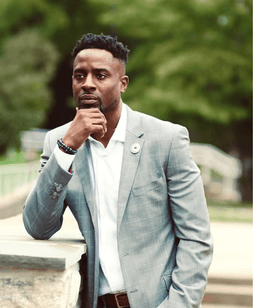
About the Author
Related Articles


Subscribe to Our Newsletter
Get the latest insights on youth leadership, education consulting, mentorship, and AI in education delivered to your inbox.