He Scared Me Before I Even Got in the Ring: What Mike Tyson Taught Me About Mentorship
Discover why presence is the most powerful tool in youth development, and learn how showing up consistently transforms young people's lives.
 PCS Consultant10 min read
I was eleven years old the first time I saw Mike Tyson fight.
My dad and I were watching on our old box TV. Tyson walked to the ring—no robe, no entrance music, just that death stare. Before he even threw a punch, you could see it in his opponent's eyes.
He was already beaten.
My dad looked at me and said something I've never forgotten: "That's what presence does. The fight was over before it started."
I didn't fully understand it then. But twenty-five years later, working with young people who are trying to figure out who they are, I think about that moment constantly.
Because here's what I've learned: Your presence in a young person's life isn't about being perfect. It's about showing up in a way that makes them believe something different is possible.
That's what mentorship actually is.
And most of us are getting it completely wrong.
The Mentor I Didn't Know I Needed
When I repeated tenth grade at August Martin High School, I thought my life was over.
I was the kid who couldn't read at grade level. The one who struggled in math. The one teachers looked at and assumed wasn't going anywhere.
Then my mom made a decision that changed my life.
She sacrificed to get me into Lawrence Woodmere Academy, a private school I had no business affording. The academics were harder. The expectations were higher. And for the first time in my life, I had teachers who refused to let me fail quietly.
One teacher, Mr. Harrison, saw something in me I couldn't see in myself.
He didn't give me pep talks. He didn't lower the bar. He just showed up every day with this unshakable belief that I was capable of more.
When I'd turn in lazy work, he'd hand it back. "This isn't you. Try again."
When I'd make excuses, he'd cut me off. "I don't care about excuses. I care about effort."
When I'd doubt myself, he'd remind me: "You wouldn't be here if you couldn't handle this."
He scared me into excellence. Not through fear. But through presence.
He showed up so consistently, with such high expectations, that I started to believe maybe he was right.
What Most Mentorship Programs Get Wrong
Fast forward to 2015. I'm working in the NYC Department of Education as Deputy Superintendent for Queens North High Schools.
Dr. Elaine Lindsay, my supervisor, challenges me to implement the My Brother's Keeper program across our district.
At the time, I had no idea what that would become. But I knew one thing: If we were going to actually move the needle for young men of color, we couldn't just run another feel-good program that looked good on paper but changed nothing in practice.
So I started asking students what they actually needed.
The answer surprised me.
They didn't need more programs. They didn't need more workshops. They didn't need adults telling them about grit and resilience.
They needed men who actually showed up. Consistently. Without an agenda.
Men who checked in not just when something was wrong, but when things were good.
Men who held them accountable not with punishment, but with presence.
That's when I realized: Most mentorship programs fail because they focus on content when they should be focusing on connection.
The Moment That Taught Me Everything
Two years into rolling out My Brother's Keeper, I met a student named Jamal.
Fifteen years old. Brilliant kid. But he was failing three classes and had been suspended twice that semester.
His guidance counselor pulled me aside. "We've tried everything. Mentoring. Counseling. He just doesn't care."
So I sat down with Jamal. Not in an office. Not in some formal setting. Just outside, on a bench, after school.
I asked him one question: "What's actually going on?"
He didn't say anything for a minute. Then: "Nobody actually shows up for me, man. They just show up when I mess up."
That hit me.
Because he was right.
Every adult in his life was reactive. They'd show up when he got suspended. When his grades dropped. When there was a crisis.
But nobody was there on the regular Tuesday when nothing was wrong.
So I made him a deal.
"I'm going to check in with you every week. Not because you're in trouble. Just because I'm going to."
He looked skeptical. "You're gonna forget."
"Try me."
For the next six months, I showed up. Every Tuesday. Sometimes we talked for five minutes. Sometimes thirty. Sometimes he didn't want to talk at all and we just sat there.
But I showed up.
By the end of the year, Jamal passed all his classes. He didn't get suspended once. And when I asked him what changed, he said something that's stuck with me ever since:
"You just kept showing up. Like you actually cared."
The Framework That Actually Works
Here's what I tell every educator, every youth worker, every person trying to mentor young people:
Mentorship isn't about having all the answers. It's about showing up with three things:
Consistency. Don't show up once and disappear. Young people have been let down enough. Show up even when it's inconvenient.
Presence. Put your phone away. Make eye contact. Actually listen instead of waiting for your turn to give advice.
Belief. Hold the vision for them when they can't see it for themselves. Not in a cheesy motivational poster way. In a "I see your potential and I'm not letting you settle" way.
That's it. That's the framework.
It's not complicated. But it requires something most people aren't willing to give: Consistency without an immediate payoff.
The Pattern I See Everywhere
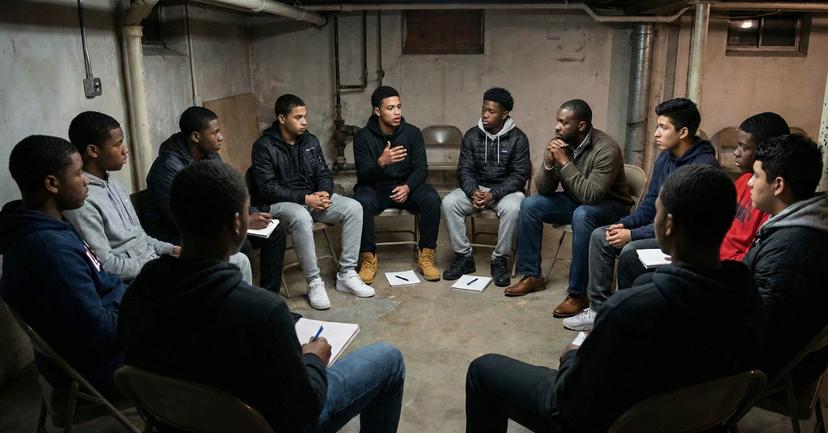
Over the last decade, I've worked with schools, youth programs, and organizations trying to figure out how to engage young people, especially young men of color.
And I see the same mistakes over and over:
They launch a mentorship program with a big kickoff event. Then nothing.
They assign mentors based on availability instead of fit.
They measure success by attendance instead of relationship.
They expect transformation in six weeks when real mentorship takes six months. Or six years.
And then they wonder why the programs don't work.
Meanwhile, there's always that one coach. That one teacher. That one community member who's been quietly showing up for years. No title. No recognition. Just presence.
And the students? They'll do anything for that person.
Because presence is power.
What Changes When You Show Up
When My Brother's Keeper programs work, it's not because of the curriculum. It's because adults committed to showing up.
Schools that implement MBK effectively create environments where young men feel seen. Where they're not just problems to be fixed. Where someone actually notices when they do something right, not just when they mess up.
I've seen students who were written off turn into student leaders.
I've seen young men who thought college wasn't for them apply and get accepted.
I've seen discipline referrals drop not because rules got looser, but because relationships got stronger.
And it all starts with adults who show up. Consistently. With presence.
The Bottom Line
Mike Tyson won fights before they started because of presence.
Mr. Harrison changed my life because of presence.
Jamal turned his trajectory around because someone showed up consistently.
That's what young people need from us. Not perfection. Not speeches. Just presence.
So here's my question: Who's waiting for you to show up? And what's stopping you?
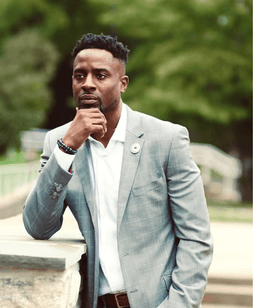
About the Author
Related Articles


Subscribe to Our Newsletter
Get the latest insights on youth leadership, education consulting, mentorship, and AI in education delivered to your inbox.