Stop Referencing When You Were 17: Why Generational Comparisons Fail Youth Development
Discover why comparing today's youth to your own teenage years undermines leadership development, and learn strategies to meet young people where they actually are.
 PCS Consultant7 min read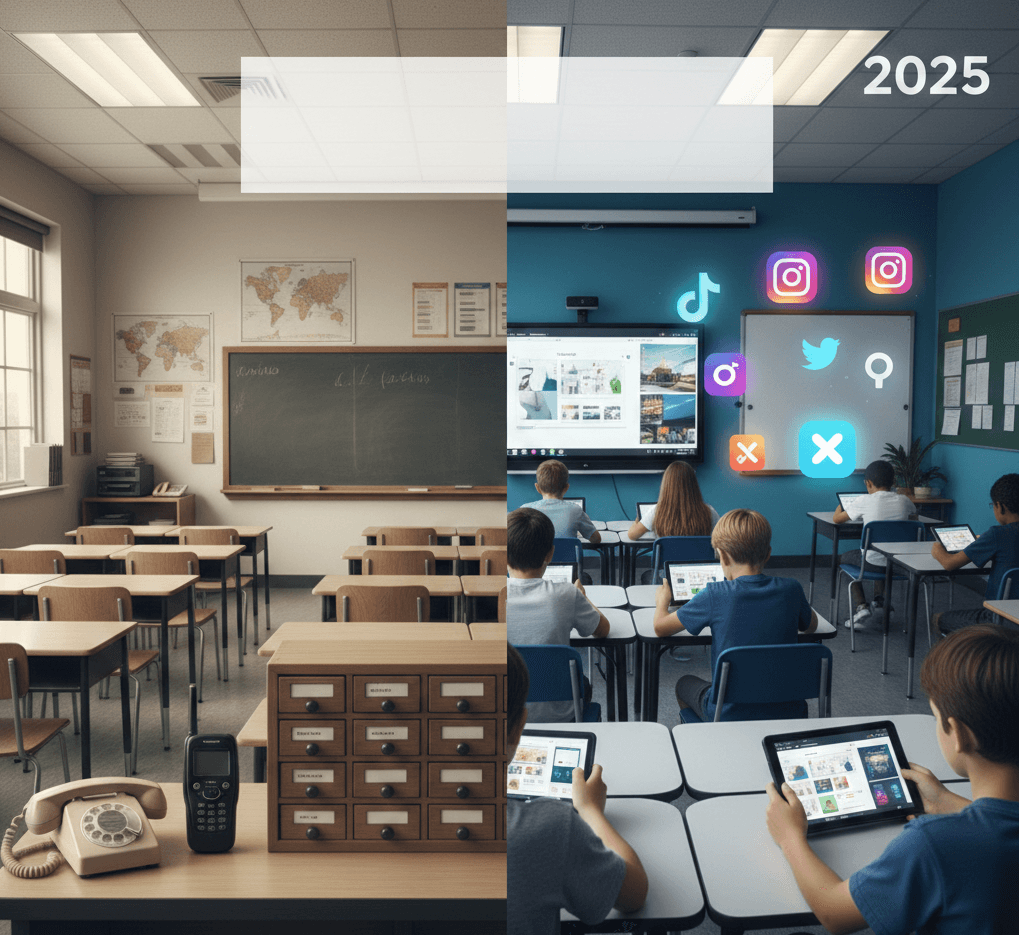
I watched an educator friend completely lose a room full of teenagers last month.
He was speaking at a high school assembly about resilience. Smart guy. Twenty years in education. But ten minutes into his talk, he made the mistake I see educators make constantly.
"When I was your age," he said, "I had to walk to the library to do research. No internet. No smartphones. If I wanted to learn something, I put in the work."
I could see it happen in real time. Three hundred kids, checked out. Eyes glazed. A few pulled out their phones right there.
Here's what he missed: These young people aren't living in 1998. They're navigating a world we never had to deal with at seventeen.
The Trap We Keep Falling Into
Back in 2019, I was giving a workshop to educators about engaging young men of color. I started with a story about how I repeated tenth grade because I struggled academically. How I had to grind my way from August Martin High School to Lawrence Woodmere Academy. How sports saved my life.
The first question during Q&A stopped me cold.
"Mr. Banjo, that's a great story. But these kids today have opportunities we never had. Why are they still struggling?"
I paused. Because that question revealed everything wrong with how we approach youth development.
We assume our experience is the baseline. That if we could figure it out in our time, kids today should have it easier.
But that's not how it works.
What Seventeen Looks Like in 2025
When I was seventeen, the worst thing that could happen was someone starting a rumor about me at school. It might spread to a few hundred people over a couple weeks. Embarrassing, sure. But contained.
Today? A young person posts something at 11 PM and by 7 AM the next morning, 10,000 people have seen it. Screenshots live forever. Cancel culture is real for teenagers. The emotional stakes are exponentially higher.
When I was seventeen, if I wanted to feel inadequate about my body or my life, I'd have to flip through a magazine or watch MTV. Maybe thirty minutes of exposure.
Today? Young people scroll through 200+ perfectly curated images before breakfast. Instagram influencers. TikTok fitness models. Crypto millionaires flexing at nineteen. The comparison game never stops.
When I was seventeen, if I failed a test, my parents might find out when report cards came home. I had time to recover, to figure out my story.
Today? Grades post in real time to parent portals. There's no privacy. No room to fail quietly and learn from it.
When I repeated tenth grade, exactly seven people knew about it. My family, my guidance counselor, maybe a few close friends.
If that happened today? The whole school would know by third period.
The Shift That Changed Everything
Three months ago, I was speaking with a group of principals about male engagement in schools. One of them, frustrated, said something I hear constantly.
"These young men just don't have grit like we did. Everything's handed to them. They give up too easy."
I asked him a question.
"When you were sixteen, how many hours a day did you spend managing your online reputation?"
Silence.
"How many group chats were you in where one screenshot could ruin your social life?"
More silence.
"How many college admissions officers were Googling your name before you even applied?"
He got it.
This generation isn't softer. They're dealing with complexity we never imagined. They're developing grit in ways we don't recognize because we're measuring them against our outdated experiences.
What Actually Works
Last semester, I was working with a school in Queens on their My Brother's Keeper program. The principal kept saying, "These boys need to learn respect. In my day, we respected our teachers."
I asked if I could sit in on some classes.
What I saw wasn't disrespect. It was disconnection.
Teachers were teaching the same way they'd been taught in 1995. Lecture. Note-taking. Pop quiz. But these young people are processing information differently than we did. They're used to interactive, fast-paced, multimodal learning.
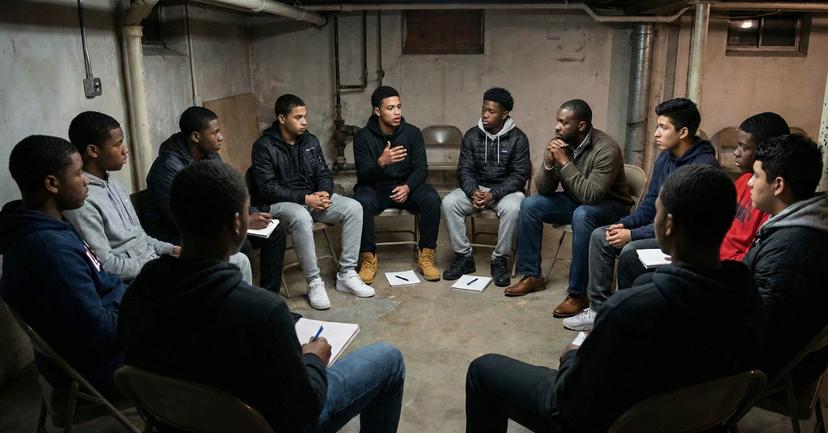
I suggested we flip the script. Instead of telling these young men what respect looked like in 1985, why not ask them what respect looks like in their world right now?
The conversation that followed was incredible.
One student said, "Respect is when a teacher learns how to pronounce my name correctly the first week, not three months in."
Another said, "Respect is when you don't assume I'm being difficult just because I asked why we're learning this."
Another: "Respect is when you see me on my phone and ask if I'm okay instead of assuming I'm being disrespectful."
These weren't unreasonable kids. They were young people asking to be met where they are.
The Framework That Actually Connects
Here's what I tell educators, youth workers, and anyone working with young people:
Your job isn't to make them understand your experience. Your job is to understand theirs.
Stop starting sentences with "When I was your age."
Instead, ask: "What's it like being your age right now?"
Stop explaining how easy they have it.
Instead, acknowledge: "You're dealing with things I never had to figure out."
Stop comparing their challenges to yours.
Instead, recognize: "Your generation is building grit in ways mine didn't have to."
When I work with schools on implementing My Brother's Keeper programs, the biggest shift happens when adults stop trying to recreate their own high school experience and start co-creating environments that work for today's young people.
The Conversation We're Not Having
At the end of that assembly, my educator friend came up to me. He knew it hadn't landed.
"I don't know how to connect with them anymore," he admitted.
I told him the same thing I tell every educator I work with:
"You don't need to relate to their experience. You just need to validate it."
That young person coming to school in the same Nike Tech as their friends three days a week? They're not being mindless consumers. They're navigating social belonging in a digital age where clothing is identity.
That student who seems distracted in class? They might be dealing with anxiety we didn't have language for at their age.
That kid who "talks back"? They might just be asking for the kind of dialogue-based learning their brains are wired for now.
None of this means we lower expectations. None of this means we stop holding young people accountable.
It just means we stop using ourselves at seventeen as the measuring stick.
The Bottom Line
I repeated tenth grade. I know what struggle looks like. I know what it means to feel like you're not good enough.
But I also know that my struggle at fifteen looked different than what today's fifteen-year-olds face.
And if I want to actually reach them, to mentor them, to help them unlock their greatness, I can't keep referencing a world that doesn't exist anymore.
So here's my question for you: What reference point from your own youth are you still using to measure today's young people? And what would happen if you let it go?
About the Author
Related Articles


Subscribe to Our Newsletter
Get the latest insights on youth leadership, education consulting, mentorship, and AI in education delivered to your inbox.